English
  Español
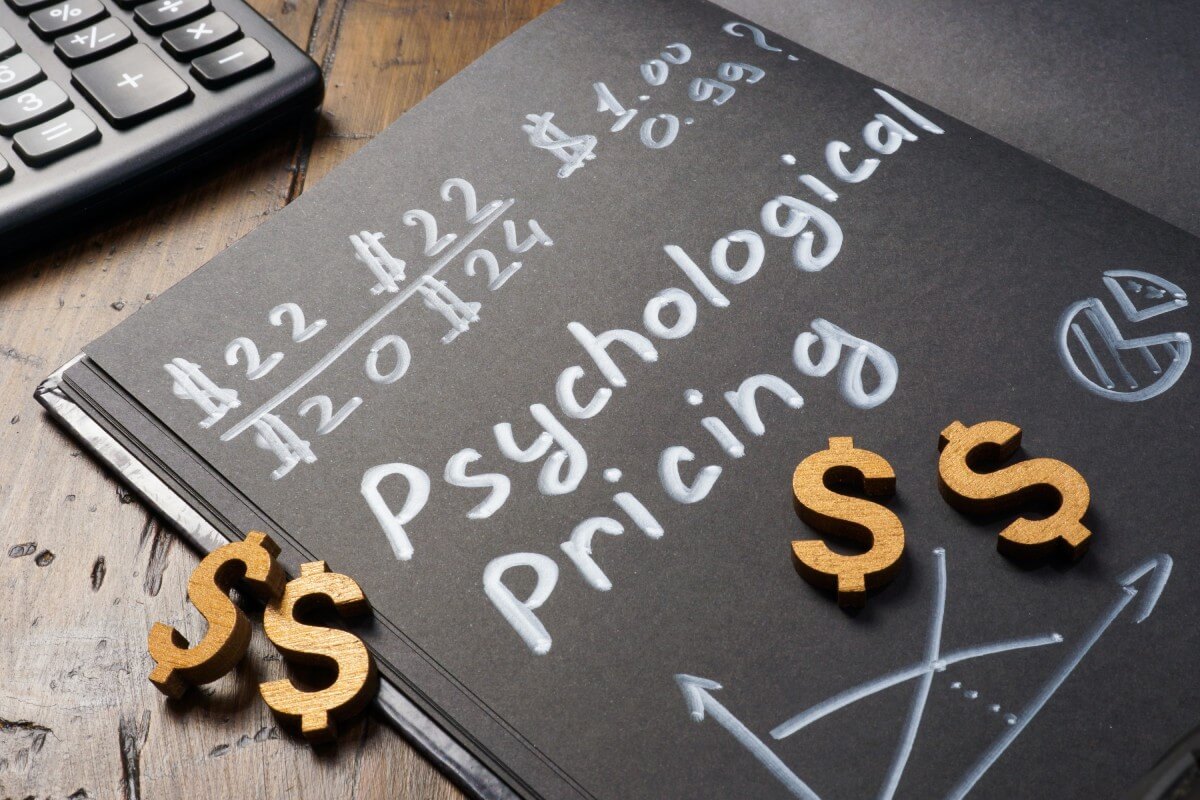

Psychological pricing is a strategy used in marketing to influence consumer behaviour. They are based on consumer psychology and seek to take advantage of their emotional responses to increase sales. There are different types of psychological prices, such as round and non-whole prices, regular prices and prestige prices. These strategies are applied in various industries, including e-commerce, and have become effective tools for increasing sales.
What are psychological prices?
Psychological pricing is a strategy used by companies to influence consumer perception and behaviour. These strategies are based on consumer psychology and seek to take advantage of their emotional responses to increase sales. Next, we will see in detail each of the subsections related to this topic.
Concept and definition
The concept of psychological pricing refers to the practice of setting prices for products or services to influence the way consumers perceive them and make purchasing decisions. This strategy involves understanding how the consumer’s mental processes work about prices and using this understanding to determine the amounts to charge. Psychological prices are not based solely on production costs or the intrinsic value of the product but on the mind of the consumer and their emotional and psychological reactions to prices.
Importance in marketing and sales
Psychological pricing plays a fundamental role in the field of marketing and sales, as it can influence consumer purchasing decisions and have a direct impact on companies’ financial results. These strategies allow companies to stimulate demand for their products, increase sales and improve profitability. Furthermore, psychological prices can be used to position a product in the market, differentiating it from the competition and creating emotional perceptions and added value.
Influence on consumer behaviour
Psychological pricing can influence consumer behaviour in several ways. On the one hand, they can play with the consumer’s emotions, generating sensations of offer, discount or exclusivity. On the other hand, they can affect the perception of product quality, since a higher price can be interpreted as synonymous with higher quality. In addition, psychological prices can also influence decision-making, encouraging impulsive purchasing or guiding the consumer towards a specific product or service.
Types of Psychological Prices
Psychological prices can be classified into different types, each with its way of influencing consumer perception and purchasing behaviour. Below are the main types of psychological prices used by companies:
Round prices vs. non-integer prices
Round prices, like whole numbers, convey a feeling of simplicity and transparency. However, several studies have shown that non-integer prices, such as those ending in 9 or 99, are more attractive to consumers. These fragmented prices are perceived as offers or discounts, which stimulate impulse buying.
Regular prices and discounts
The regular pricing strategy establishes a reference or base price for a product and then offers discounts or special promotions on that regular price. This generates in the consumer the illusion of obtaining a benefit by purchasing a product at a lower price than the normally established one. This strategy can be especially effective in e-commerce environments, where regular prices and discounts are displayed, creating the perception of a standout offer.
Relative prices and perception of quality
A relative pricing strategy involves setting a higher price for a product compared to other similar products on the market. This strategy is based on the theory that consumers perceive a higher price as synonymous with greater quality or prestige. Luxury or high-end products are an example of this strategy since they are characterized by having higher prices than similar products from other brands.
Prestige and exclusivity prices
The prestige pricing strategy seeks to convey the idea of exclusivity and quality by establishing high prices for products. It is based on the perception that a product with a high price is considered of higher quality and has a higher status. Luxury brand products, such as renowned bags or watches, often use this strategy by having significantly higher prices than similar products from less well-known brands.
Psychological Pricing Strategies and Examples
In this section, we will explore different strategies used in psychological pricing and provide concrete examples of each of them. These strategies are based on consumer psychology and seek to take advantage of emotional responses to influence their purchasing behaviour.
Using round prices to convey simplicity
A commonly used strategy is to use round prices, that is, whole numbers, to convey a sense of simplicity and transparency in pricing. For example, set a price of 10 euros instead of 9.99 euros. This way of presenting the price can be more attractive and easier for the consumer to understand since it avoids cents and gives a feeling of clarity to the offer.
Establishment of regular prices and special promotions
Another effective strategy is to set a regular price for a product and then offer special promotions or discounts off that price. This technique creates the perception in the consumer that he is obtaining a great benefit by purchasing a product at a lower price than usual. For example, displaying the regular price of a product along with the discount price in an online store creates the feeling that you are getting a great deal.
Application of relative prices to improve the perception of quality
A relative pricing strategy involves setting a higher price for a product compared to other similar products on the market. This tactic is based on the idea that the consumer will perceive the product as being of higher quality or prestige due to its higher price. For example, luxury or high-end products tend to have higher prices than products from less recognized brands, which is associated with greater quality or exclusivity.
Using prestige prices to convey exclusivity
Finally, the prestige price strategy consists of setting a high price for a product to convey the idea of exclusivity and superior quality. This technique is based on the perception that a product with a high price is considered to be of higher quality and has a higher status. Examples of this strategy are luxury brand products, such as bags or watches, which are characterized by significantly higher prices than similar products from lesser-known brands.
Success stories and good practices in psychological pricing
Examples of psychological pricing in different industries
Psychological pricing has proven effective in a variety of industries, allowing companies to influence consumer perception and increase sales. Some notable examples include:
- The fashion industry: Luxury brands use prestigious prices to position their products as exclusive and high quality, as is the case with brand-name bags and watches.
- The food industry: Many food products use regular prices and special promotions to encourage purchase, such as menu combos in fast food restaurants.
- The technology industry: Technology companies often use relative pricing strategies to convey the idea that their products are superior in quality, as is the case with high-end smartphones.
Psychological pricing strategies in e-commerce
In the realm of e-commerce, psychological pricing strategies have become especially relevant. Some of the most effective practices include:
- The use of round prices to convey simplicity and transparency in online product offerings.
- The application of regular prices and special promotions in the form of limited-time discounts creates the feeling of getting a good deal.
- The use of prestigious prices for exclusive products or limited editions creates a feeling of exclusivity and quality in consumers.
How to Increase Sales Using Psychological Pricing Strategies
To increase sales using psychological pricing strategies, it is important to consider the following aspects:
- Thoroughly understand the target market and consumer preferences to adapt pricing strategies accordingly.
- Use different psychological pricing techniques based on the psychology of the consumer and their emotional responses.
- Track and analyze the results obtained to adjust and optimize pricing strategies based on the results.
What do you think of the psychological price?
A solid pricing strategy is the fundamental basis for increasing your sales.